It does seem simple, I know but its surprising how often we miss this trick. We want the success but we don’t want to do the hard work to plan our way there.
Sucess rarely comes unless its planned for and you have steps that you follow to achieve it.
So it sounds simple, but the actual planning part is what a lot of us find hard.
Ok so what does the planning look like?
A lot of depends on what kind of success your aiming for, if its personal, or something in your career or financial for example.
One thing every plan has in common is the start where you are today and the end, where you have achieved the sucess.
It all just needs planned out.
Fortunately in todays age of the internet, there are a huge amount of resources and tools out there to help us with that if that is what works for you, such as:
Vision Boards
Mind Maps
Action Trackers
Goal Setting Tools
You could also go the old fashioned way and use a pen and paper.
The important thing is to write the goal down and plan out the route to achieving it.
A goal without a plan is just a dream
This is something that you may hear said by many who are successful and its something which is absolutely true.
The route to success is made up of goals and those goals can only become reality if they have a well executed plan attached to them.
It doesn’t matter if its financial, business/career, health etc. All goals need a broken down of small steps which add up to get you to the success you want to achieve.
For example if I wanted to save $1000 in a year or lose 10 kilo’s im more likely to achieve that if I have a written goal and a plan of small steps documented to get there.
We all have it within us to achieve whatever success we want to in life, the simple difference between a dream and success is just wrtigin it down and planning for the sucess.
Holding yourself accountable is as simple as that and is really what makes the difference…
Yesterday I wrote all about mind maps and why they can be a more efficient way to write notes or a more efficient planning tool.
Today I wanted to write about 10 tasks we can introduce a little bit more fun into, by using the mind map to making a note heavy task much more visual.
The benefit of mind maps that most people who use them will tell you is that they are a more visual way of keeping notes.
As with all good planning tools the key to the mind map is its simplicity both to use and to read.
We write in notebooks in a linear way across lines, but our brains don’t process information that way, the mind map matches the visual patterns our brains prefer.
Ok so the fun part?
The fun part is making everything more visual and also the ability to set out our notes in a much simpler way, linking the ideas to each other where that makes sense, rather than having to read through linear notes on a page to find what’s needed.
Now to the top 5 uses for mind maps over notes:
Meeting Notes, so often meetings don’t run to an Agenda, ideas are spat out all over the place and people often go off on tangents. Which can be a nightmare for the note taker. Using a mind map lets you connects all of these ideas and the actions or feedback to the central theme of the meeting as branches. The Mind map is much easier to edit to send out as minutes of the meeting, and much easier and visual for people to read later.
Project Management Plan, I’m kinda a project manager in my job and one thing I hate is how complicated people make project management, especially with all the text heavy documents required. Instead of writing a novel, I can simply and visually present the project management plan as a mind map. The Project becomes the central box and then my Budget, Resources, Scope, Deadline and People become branches I work and develop from there. Now instead of many pages of words, I just have a visual guide.
Studying, The same concept as the note taking, often there are a lot of notes and concepts I need to keep track of and those end up a mess with traditional note taking. Revising takes me a lot of time, just to organize my notes, again with the mind map its clearly laid out in branches and so I can tie up notes and concepts easily, giving me more time to focus on my studies.
Brainstorming, oftentimes the process involves teams coming up with lots of ideas and a lot of notes. Again in a traditional noted form, a lot of the time we lose a lot of the value of the ideas generated, but by sorting and making those ideas notes visual in a mind map we capture much more of the value from these sessions.
Decision Making, Im a huge fan of decision tree’s for critical decision making and to ensure operational flow through a task. However they are difficult things to write from scratch. I use a mind map first with the team in the same way as I would when Brainstorming and then that out put can be translated from the Mind map into a decision tree clearly and easily.
Final Thoughts
As I said when I wrote an introduction to mind maps yesterday, they are a planning tool I wanted to share, because they work for me and the teams I work with.
Since we started using Mind Maps, we really have found them to be a great productivity hack and a fantastic tool to really capture our thoughts clearly and concisely on a page.
Im not writing here to tell what you need to do, but if your looking for something to take yourself and maybe your teams to the next level, give Mind Maps a closer look, Im certainly glad that I did.
A pen, some paper and a head full of ideas is all you need to get started.
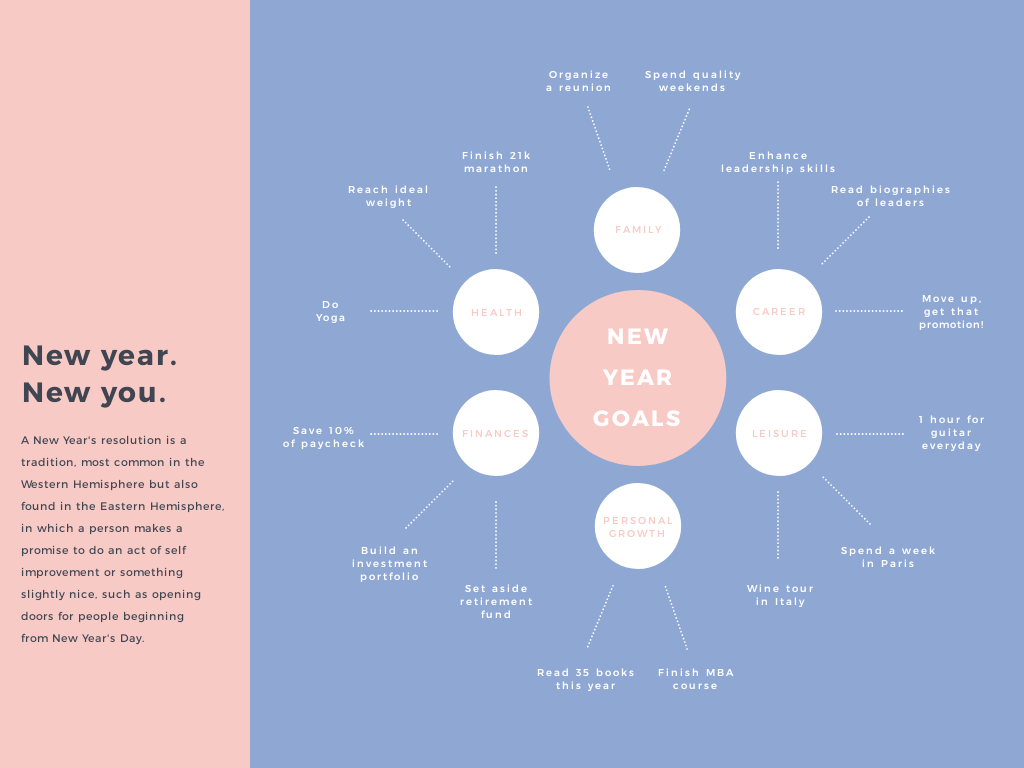
Good question, a mind map is a visual way to organize information, a bit like a spider diagram.
The central thought is written out in a circle in the center, the main ideas are attached to it by branches and then the smaller details are attached to the main idea branches as show in the example below:
Image by Canva
As you can see its a more visual way to outline your goals. This example is a nicely presented graphical image, but they work even better when just hand drawn on a blank sheet of paper.
Why use a Mind Map?
The benefit of mind maps that most people who use them will tell you is because its a more visual way of keeping notes. When we take notes in a traditional way, often we are adding little notations and marks to alert to something important that we need to circle back to later.
This is turn can mean it takes a lot of effort to work out our notes later on.
As with all good planning tools the key to the mind map is its simplicity both to use and to read.
We write in notebooks in a linear way across lines, but our brains don’t process information that way, the mind map matches the visual patterns our brains prefer.
The uses for and benefits to many activities we can gain by Mind Mapping are huge, the below are the most common areas people use mind mapping in:
Note Taking
Brainstorming
Problem Solving
Studying & Revision
Planning
Researching
Kick starting our creativity
Final Thoughts
There are many more uses that I have missed out here, but the point is anything you do today with lots of notes, you could sort and visualise with Mind Mapping.
It really is a powerful planning tool and needs nothing more than 10 minutes, a pen, paper and your imagination.
How to maximize your learning potential by understanding what works best for you.
Like to Learn but hate to be taught?
I’m paraphrasing Winston Churchill here, but it’s a serious question im asking.
I’m a lifelong learner who firmly believes that every day is a school day. The issue is that I hate to be taught, or at least I hate to be taught in a standard classroom setting.
My own personal preference is to learn by reading or to learn by doing. It took me many years to figure out that I wasn’t wrong in my approach , its just that the one size fits all solution to learning doesn’t work well for some of us.
I’m guessing this may be the case for anyone kind enough to read this.
Here’s the thing, we are all different, if the world was full of the same people it would be a pretty boring place and nothing innovative would ever happen.
Fortunately that’s not the case, we are all different and our brains work in different ways.
Learning to love being taught, just takes some simple self analysis
Yes its possible for anyone to love being taught, you just need to find what works for you.
This requires a bit of analysis, but the good news is that there are resources online to help with that you just need to search the 2 main theories which are the VAK theory and the Honey and Mumford theory. Personally I would recommend you try both and see which learning styles out of both theories you recognize, as their are strategies you can develop from both.
VAK — Visual, Auditory & Kinesthetic
The VAK theory suggests that the majority of people can be divided in to one or more of 3 styles of learning which you may have guessed are either, Visual, Auditory or Kinesthetic.
Visual learners, have a strong preference for visual data and observation of a task. Typically learning best from pictures, video, diagrams, presentations, displays and hand outs. A visual learner will often use phrases while they are learning like “Show me” or “Let me look at that”. Visual learners tend to be more structured in their work and approach to learning using lists, directions and instructions.
Auditory learners, have a strong preference for the transfer of information verbally. Typically learning from lectures and spoken word from an expert. An auditory learner will often use phrases while they are learning like “tell me” or “Let’s talk it over”. Auditory learners tend to be more happy receiving verbal instructions in their work, and have a strong connection between verbal information and memory retention. Most auditory learners for example know all the words to the songs they know.
Kinesthetic learnings, have a strong preference for physical experiences, they learn by touching and by doing, they value practical hands on experiance. A Kinesthetic learner will often use phrases while they are learning like “let me try” or “how do you feel”. Kinesthetic learners tend to be those who dive into a new task learning as they go. These learners love to experiment, are always hands on and never look at the instructions first.
Honey & Mumford
In the honey & mumford theory there are 4 learning styles and each person will have one dominant learning style, with a mix of the other 3 styles sitting in the back ground. These learning styles are known as the Activist, Reflector, Theorist & Pragmatist.
An activist leaner, will learn best from new activities and experiences where they have high visibility, for example chairing a meeting. Activist learners like to be involved in games and teambuilding, basically anything competitive where they can work with others.
A reflector, will learn best from new activities and experiences where they are allowed to watch, think and observe others. Reflectors like to be able to review and think about what they have learned before they act.
A theorist learner, will learn best from new activities and experiences, where there is an obvious model or system that they can follow, and where there is enough time to explore the relationship between ideas and events. Theorists like to ask questions and to know that their is a clear purpose to and reason for the learning.
A pragmatist learner, will learn best from new activities and experiences, where there is an obvious link between what they are learning and their work environment. Pragmatists like practical techniques for problem solving and like to put into practice what they have learned.
I know that’s a lot to get through but bear with me, once you do the online analysis which will take maybe 30 minutes of you life, you will have a whole new insight into what works for you and why.
I recognize in myself for example that im a Kinesthetic learner in VAK and an Activist Learner with some Pragmatist learner traits in Honey & Mumford.
The great thing is that this simple understanding has helped me set expectations for myself in an educational setting. It can help you as well.
Final thoughts
I know that the information on learning styles is a lot to get through in a quick read, but knowing our learning styles is so important.
Its not our ability to learn that slows our learning potential, its being forced to learn in a way that simply does not work for us, that slows our learning potential.
These system’s are set up with adults in mind, but they work great with kids as well. Anyone who is struggling in, or struggles with education at any level and at any age, can significantly improve their changes of success, by understanding their learning type and then putting the strategies in place to make sure that they learn that works for them.
It could be follow up work on you tube online, it could be practical examples, it could be getting out of theory and doing a task.
Whatever works for you. I personally think its worth sharing this information because in the last 3 years since I discovered this was out there, its made a huge difference for me, if you are reading this and some of it resonates with you, then take the 30 minutes online to do some research, it could be life changing.
Its a collection of images, pictures and sometimes motivational quotes and aspirations, which are typically glued onto a simple board and set up somewhere in your home where you can see them.
The images and pictures should be things that are linked to your goals. For example they could be:
Images that make you feel good, and reinforce the way you want to feel.
Images of the way you want to your health to be
Images of the home you want
Images of a goal you want to achieve like writing your own book
Images of a vacation spot you want to visit
Images of an educational goal
Images of an event you would like to attend
Really anything linked to any of your life goals can go on the visual board.
The quotes and aspirations can be either linked to you goals or can be motivational to help keep you going towards those goals, there are no rules here.
Whats the purpose?
Did you know that visualisation is one of the most powerful mind exercises that you can do?
Essentially the vison board, is a prompt to help achieve your goals through visualization of them.
Because the board is set up somewhere that you can see it often maybe in the bedroom or living room for example, you eye see it often which means that subconsciously your visualizing your goals often. Your also experiencing the feeling of accomplishment or realization of those goals.
This is turn triggers your thoughts towards your goals and sets up powerful connections between your goals and the thoughts and action of success in the brain.
Athletes have been using these techniques for decades to help them improve their performance.
Studies have shown that a weightlifter for example using this technique has the same brain patterns when lifting weights as they do when visualizing lifting the weights.
If we have no mental barriers to sucess and accomplishment in life, it means the physical barriers are much easier to overcome.
Again there are no rules here, whatever works for you is best.
Final thoughts
There are lots of tools and techniques out there to help us with our goals, whatever those goals may be in life.
Vision boards are certainly one of the tools that we can use to build success and have the following advantages:
Easy to set up
Utilize the power of the brain and its association with visual guides
Take very little time to maintain, since the brain sees the goals often and goes through the mind exercise of visualization subconsciously
Im not suggesting that the vision board is the one and only solution you ever need to help achieve whatever goals you may have in life, however it is a low mainteance high impact tool which can help along the way.
This week I’ll be sharing some more on the other tools I use to help set me up for success in life, however what I will say on the Vision Board is that I use it daily and it definitely helps me keep going especially when I’m in need of some motivation.
This is a final warning this does contain spoilers!!!
The end of an era?
It was bittersweet to watch the movie, which I have to say I discovered by accident on Netflix last Saturday night, while searching with my partner for something to watch.
As huge fans of the Breaking Bad story and the prequel series Better Call Saul it does feel like El Camino is the end of an era.
Although it looks like Better Call Saul, has at least one more series in it, El Camino has brought an end to the Breaking Bad story which has captivated audiences since its debut in 2008.
A surprise ending to the story?
I have to say that for us it really was, and as entertaining as it was, it brought a lot of new elements into the story which hadn’t been clear before to the viewer and also a look behind the crazed lives of the gang that ultimately kidnapped Jessie.
What we really missed was Walter White of course and we had hoped for more of him in the back story and flashbacks.
Gilligan or Tarantino?
This was the dissapointment for us really, at times it was hard to tell if this wasnt Breaking Bad simply in a Tarantino style.
The story flucuated and timelines came and went, there was also a fair amount of grit and gore, more reminiscent of Tarantino.
What we really missed were the ground breaking camera angles and interesting shots from Breaking Bad and Better Call Saul.
That said perhaps they are just not possible in a short feature film.
Happy ending?
For us I think it was, we got to see both sides of Jessie, that flawed character we got know so well, who has a good side to him, even if its hidden away.
Overall for us it was a fitting end to the franchise and one that we enjoyed immensely, it just missed a few of the things that make a true Breaking Bad spin off for us.
This is a question Ive asked myself a few times recently.
Partly because I have nieces and nephews who will grow up and start to think about what the future holds for them.
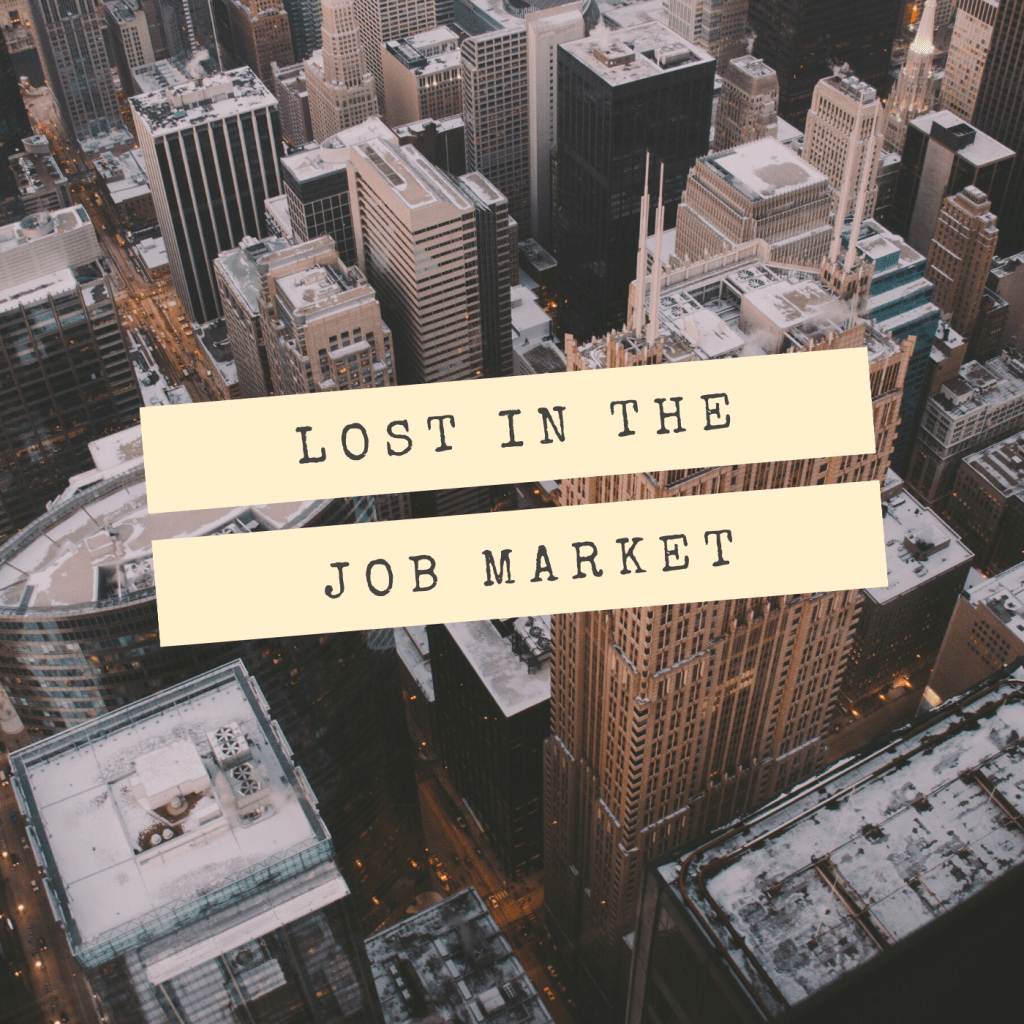
Partly because I’ve read and watched some great stories about what is possible for young adults who leave education in high school and partly because the economic turmoil we are seeing now is going to make it harder for these folks to get a job.
When we see numbers like 30m unemployed in the US, it shows how saturated the job market is.
The real risk is that young adults today without a higher education become a lost generation, like so many were in the recessions in the late 70’s, 80’s and early 90’s.
s there really a risk?
In my opinion there is a real risk that this will happen for several reasons:
Developed economies have largely moved away from engineering and manufacturing, they are consumer societies, there is less skilled trade work available and so less opportunities for young adults to build a trade skill.
There is no education back up plan for these young adults, many don’t want to go into higher education, yet they receive the same education as those who do, this doesn’t provide them with the life and vocational skills they need to make a successful start in the adult world.
There is a gap developing between those with higher education and those without, often times those without are being restricted to the service industry and/or minimum wage type jobs.
Many of these young adults are ushered towards college, where they pursue a qualification in something random that wont help them in the job market, and that’s because they were not interested in higher education in the first place. A certificate in email protocol for example does not a higher education make.
The unemployment rate for 16–24 year old (Classed as those not in education or employment) hovers around the 25 — to 30% range.
That’s unlikely to improve if we continue to tackle the issue in the same way that we always have done, its not effective.
Modern history has shown us that, there are folks that are only now in their 40’s and 50’s recovering from the same issues which directly affected them in the 70’s, 80’s and 90’s.
Possible solutions?
This is the good news there is, and its relatively simple on the surface, but perhaps more complex in its execution.
The education system is almost entirely geared towards preparing us for higher education.
The problem is it’s a one size fits all solution that tires to fit many different shapes through a round hole.
By the time we are 14 and we start to prepare for life after school we know what the path is going to be in terms of when our fulltime education is going to end.
This is a point where divergence is possible and this is where the shortcomings in the system come into play today.
So many young adults as I said before leave the education system at 16 with a few random exam qualifications but few life skills and even fewer vocational skills.
The lucky few get that opportunity of a trade and vocational training through apprenticeship schemes.
Overall however there is a missed opportunity in the education system where those skills could be developed at 14 at school, along with some essential life skills like financial literacy.
The benefits
The benefits to those young adults, businesses, the economy and society are huge, some of the highlights are:
It places less pressure on the education system. If you take a young adult who isn’t interested in trigonometry and algebra for example, but is interested in say plumbing or electrical. The school goes from having someone who is disengaged and potentially disruptive, to having someone interested and engaged in what they are doing. That same young adult gets a reason to get up in the morning, they are motivated, they gain confidence and they learn a set of skills that actually help them to be ready for the working world.
These young adults then become much more appealing to businesses. They have started their education in their vocation have some trade skills, have some life skills, coupled with confidence and motivation they can immediately be of some use to the business and the training cost/burden is greatly reduced which is the advantage to the business.
More people engaged in construction, energy, engineering and manufacturing is great for the economy because there are generally well apid job so tax revenue increases, but also because there jobs add to GDP.
Society benefits, because the benefit burden is less and the social impact of having our young adults unemployed is reduced. These folks have bundles of curiosity and energy, if that’s not channeled into meaningful work, it gets channeled elsewhere.
Final Thoughts
Does all of this mean that business gets someone who is the full package and ready to go and that overnight millions of skilled jobs for young adults will be created?
Well no of course not, in the way those same businesses don’t get that from their graduate hires.
What they do get is someone who is on the right path, knows the requirements of the job and the basic skills required and that in itself boosts business and the economy helping to create those jobs over a sustained period of time.
It’s a big swing in the way education is delivered but if you look at the numbers of young adults leaving school today they are either lifelessly dropping into the gig economy with no prospects cycling for a delivery service for example or dropping into college with no clear aim or the unemployment line.
We could and should be doing more to prepare those folks for a bright future outside of education.
It’s possible we just need to think outside the box and pivot to what works for those who are ever more quickly becoming a lost generation.
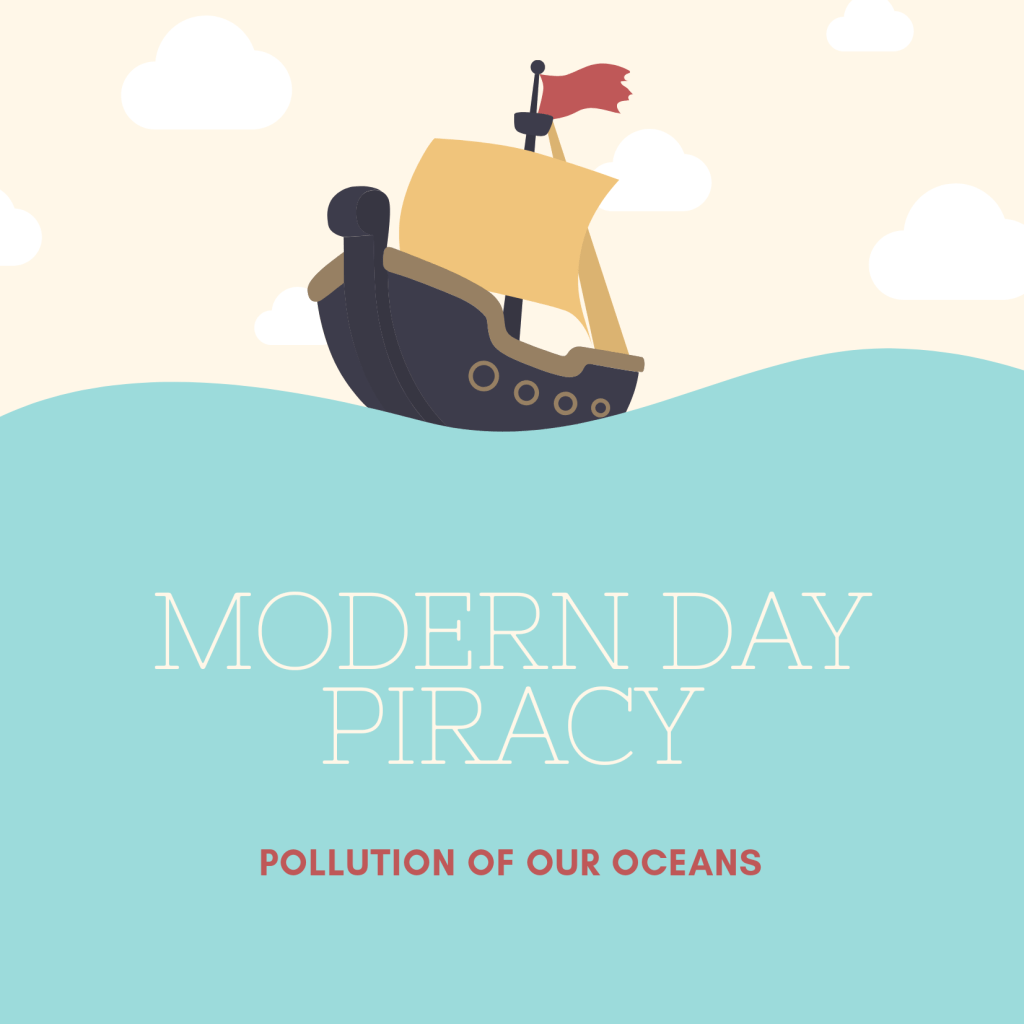
Piracy still happens today on the high seas, the higher impact stuff around west Africa and south east Asia is typically what gets attention.
These are the ship heists, kidnappings and ransomes, made famous by movies such as Captain Phillips.
Remove the romance attached to pirates from days gone by and glamourized by movies such as pirates of the Caribbean and you find that these modern day pirates and those of days gone by, pretty much operate in the same way.
Today we have another class of pirate, the polluters of the Carribean if you like.
The link to other pirates is simple, destruction at sea.
In this case having waste go to the sea where it becomes a hidden problem, means we don’t need to spend money addressing the issue.
The problem with the polluters of the Caribbean is that its our widespread use of plastic for everything in our lives that causes the issue, as a society we have become the pirates.
Our use of plastics in everything from shoes to bottles to bags and magazine packaging’s, makes it into the sea.
What’s the problem?
In general plastic by design is not biodegradable, it does break down into smaller fragments but the process takes hundreds if not thousands of years.
Over time literally millions of tons of plastic which have been thrown away have ended up in the waterways and oceans of the world and the problem keeps on getting bigger.
The plastic finds its way into the water ways most commonly in one of 3 ways:
We throw plastic which could be recycled into the general garbage, unfortunately because plastic is lightweight is gets blown away off the trucks and off the landfill sites themselves, down drains and into rivers, all of those water ways lead to the sea.
Littering is a big, issue both items on the street that don’t make it to a litter bin and large scale illegal waste dumping or so called fly tipping, lead again to plastic to drains and waterways and is the number 1 contributor of this damage to the sea.
Products that go down the drain, such as cotton buds, wet wipes, cosmetics, these all contain plastic which ends up out at sea and just don’t break down.
Ironically very little of the waste that ends up at sea, is generated at sea, there are 8 million tons of plastic that end up in the sea each year, 80% of that comes from land.
The scale of the problem
Well what if I told you that there are 5 huge floating garbage piles polluting the oceans today?
2 in the Atlantic Ocean
2 in the Pacific Ocean
1 in the Indian Ocean
The biggest of these is 1.6 million sq kilometers, about the same size as Mongolia the 18th largest country by land mass in the world.
All 5 garbage piles combined are about the same size in land mass as the United States.
Clearly the problem just in terms of the size of the plastic garbage volume at sea is huge and so is the effect on the marine life.
Marine plastic pollution is affecting directly over 267 species of marine life at sea today, many stocks are declining because the die from either starvation caused by dwindling food stocks in polluted areas, or they eat the plastic and suffocate.
Its expected that in the next several years there will be more plastic in the oceans than fish.
50 to 80% of all sea turtles found dead have ingested some form of plastic.
Seabirds are beginning to mistake plastic for food’s and are unintentionally feeding it to their chick, up to 98% of sea birds tested globally have been found to have ingested plastic at some point.
The problem clearly is huge and its getting bigger.
What can we do about it?
The good news is that there a lot of small actions we can take that make a huge difference:
Recycling plastics, this is number 1, if we recycle what we use it makes a huge difference, that plastic isn’t making it into landfills and is therefore not getting into the water system, the more we recycle the less new plastic is created to go to waste.
Avoid single use plastic — Things like plastic bags, coffee cups and bottles are the biggest offenders, there are reusable alternatives out there which in the long run save money, and the environment. If you need to use a single use item, in life its sometimes unavoidable, then make sure its recycled after use.
We can clean up our mess, there are several small non profits out there trying to clean up the patches, an international effort could have them cleaned up in 5 to 10 years so its not an impossible task.
As you can see some small actions would make a huge impact to the environment and to our oceans.
It probably hasn’t escaped you that intermittent fasting diets are everywhere at the moment, in fact you probably cant escape people online and on the TV telling you about them.
Where did it all start?
It may seem that Intermittent Fasting is the latest Fad in a 100 year old line of Fad diets which started in the 1920’s.
2 things to bear in mind here:
Intermittent fasting as we will see isn’t a diet, its just a different pattern of eating which uses the body in a more efficient way to burn those calories and the bodies fat stores
Fasting has been practiced by Humanity for tens of thousands of years, for religious reasons and also because before industrialization and large settlements came into being, we were hunter gatherers and intermittent fasting was part of the game, we would hunt and eat when we had a need.
Its true that this style of eating has been growing and gathering a following for the last 8 or 9 years, but its important to know that its not a new concept.
The benefits
Studies actually started as far back as 1945, where mice were put onto an intermittent fasting diet, which showed a link to healthier stable insulin levels, increased metabolic rate and longer life expectancy.
In the decades since that initial research the same findings have been found in us Humans as well.
n fact there is growing scientific research to suggest that intermittent fasting of at least 12 hours per day is hugely beneficial for a range of health benefits such as:
Reduced insulin levels (Is the drop in insulin level that allows us to burn off excess fat stores more effectively)
Improved insulin sensitivity
Reduced blood pressure
Reduced Cholesterol levels
The good news is that you we can get all of these benefits by fasting for just 12 hours a day, or put another way, sleep plus 4 hours.
Some of the more accesible reading on the science and adoption of this eating style are:
Eat Fast, Love Longer and the Fast Diet by Doctor Michael Mosley
The 5:2 diet by Journalist Kate Harrison, which serves as a non medical documentary almost of the benefits found by people in their everyday lives
The obesity code by Doctor Jason Fung
However just searching Intermittent Fasting online will open up a world of documented research, hints, tips and support to help you learn more.
Getting started
If intermittent fasting sounds interesting to you, there are 2 things I would say before going any further:
Talk to your doctor, if you have an undelying health condition it may not be the best idea for you, this is a very different eating pattern and it wont be for everyone
Research, research, research, there are so many different ways to fast that it makes sense to look at what’s out there and what may work for you
Once you have gotten the ok from a health perspective and done the research, its time to experiment, what works for you, is correct for you, there is no right or wrong way to fast.
Experiment, document the results and listen to your body, for me I go between 5 days eating and 2 days fasting in a week, through phases where I fast 20 hours a day. This works for me and I have some specific weight loss targets. This isnt for everyone but it works for me and thats great.
The mental barrier
The thing that puts most people off is the mental barrier. The fear factor of not eating for a fixed period of time is tough to get over.
However once you get used to listening to what your body is telling you and working around its schedule its far easier and more sustainable long term than a diet for example.
To quote Doctor Michael Eades a leading light in this field:
“Diets are easy in contemplation and difficult in execution, Intermittent fasting is just the opposite — its difficult in the contemplation but easy in the execution”
When we diet (I’ve done alot of dieting in my life), eating the same types of food gets boring and eventually we go back to our normal habits at the beginning its so easy to begin with, but gets harder as it goes on.
On the other hand the thought of fasting and not eating for a period of time is difficult, however once you realise you arent restricted to food types or times of eating,but its a flexible way or eating, just in a smaller window in the day, the thought of missing food goes away and this becomes a natural feeling way to eat.
I have been going down this road for about 6 months and the health benefits for me have been profound, losing 22kgs, type 2 diabetes remission and better blood pressure.
I also feel much happier and more productive as my insulin sensitivity has improved I dont feel that post lunch dive anymore.
Intermittant fasting has a lot of documented benefits and if its safe for you, I’d say give it a go, you have nothing to lose and everything to gain.
None of us really need scientists and doctors to tell us why sleep is so important to us, and why we should be making sure we get a good nights rest.
Today a growing number of people are ignoring that advice and going for as long they can, embracing a counter culture of surviving on as little sleep as possible.
There are also more sleep issues and disorders affecting us than ever before.
Why does sleep matter?
3 questions to ask yourself:
What stops me from getting enough sleep?
How does a lack of sleep affect me?
What are the consequences of a lack of sleep, How does it affect my family life and work life
Chances are if we stop to think about these 3 simple questions even for 10 minutes, the answers we write down would make us stop and seriously think about why sleep matters.
Some of the more common answers to the first questions may be, stress related, smartphones and blue light, too much stimulation before bed.
On the second question, it could be that it makes you grumpy, you might feel ill, it could be a reason for not being able to lose weight, despite doing everything else you need to as examples.
On the third question, that grumpy mood may cause strain with your family, it may mean you don’t have a lot of energy to play with your kids, on the work front it could mean your struggling and in the worst case it could also be affecting your safety.
Sleep deprivation and fatigue causes workplace and road accidents every day.
When you think about sleep in these simple terms its easy to see why it does really does matter.
What can we do about it?
The simple answer of course is that we need to get more sleep and make that a priority in our lives.
Most sleep experts tell us we need between 7 and 9 hours a night in order to keep our bodies and our brains in a healthy state.
If you struggle with that, some questions you can ask yourself are:
How do I pay attention to the sleep signals my brain and body are giving me ?
What choices do I make when it comes to sleep, how does that lack of sleep build up?
What can we do about it?
The simple answer of course is that we need to get more sleep and make that a priority in our lives.
Most sleep experts tell us we need between 7 and 9 hours a night in order to keep our bodies and our brains in a healthy state.
If you struggle with that, some questions you can ask yourself are:
How do I pay attention to the sleep signals my brain and body are giving me ?
What choices do I make when it comes to sleep, how does that lack of sleep build up?
What can we do about it?
The simple answer of course is that we need to get more sleep and make that a priority in our lives.
Most sleep experts tell us we need between 7 and 9 hours a night in order to keep our bodies and our brains in a healthy state.
If you struggle with that, some questions you can ask yourself are:
How do I pay attention to the sleep signals my brain and body are giving me ?
What choices do I make when it comes to sleep, how does that lack of sleep build up?
Do you fight through those sleep signals and watch another series on netflix on a midnight binge?
Do you just shrug off a lack of sleep and carry on believing you can catch up later?
If thats you, there are some simple things that can help you get the sleep that you need such as:
Listen to your body when you feel like your ready to sleep don’t fight that.
Consider a technology ban in the bedroom, blue light does stimulate the brain and is the number 1 cause of sleep issues today.
Get sleep when it works best for you, maybe you can top up your sleep with a 30 minute nap at lunch or after dinner for example.
However it works for you, just try to get those 7 to 9 hours a day, your body, your brain and your family will all thank you for it.
Nobody wins in the long term from sleep deprivation.
Final thoughts
There is growing evidence from the research into sleep by the scientific community that sleep is just as essential to us as what we eat and how we excercise for health and longevity.
There isa ahuge amount of research and literature out there on this subject and I would highly recommend reading some of leading light Matthew Walkers (No relation) work.
Just 7 hours of sleep per day have a huge effect on our health, our longevity and our our day to day lives.
It also has a massive effect on our decision making and cognitive abilities, which when it comes to our safety on the roads and in the workplace should not be underestimated.


 Writing for thought - expanding creativity through the joy of writing