Things are changing fast. Even skills-based learning is moving online. It’s not the end of the world. But it is a step-change in how we learn.
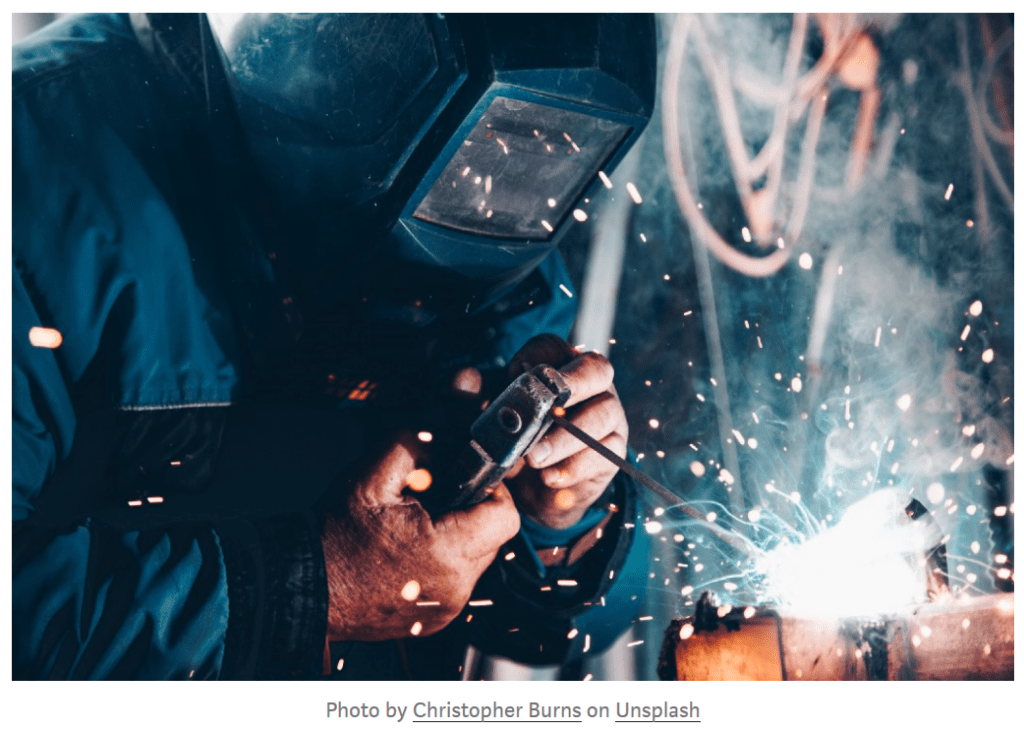
I’m talking about trade skills like fabrication, building, mechanics. Along with sales and negotiating skills in business. The kind of stuff you have been able to view on YouTube for years.
Thing is though, watching YouTube videos is one thing. Formal training and qualifications. Well, that’s something else.
This shift is another example of change and innovation in business. Working remotely has many different faces.
As usual, when it comes to innovation, those who accept the change will be successful.
When it comes to learning and especially online learning. It’s important to understand how you learn best.
Understand that and you can position yourself. To get the best out of any training or further education in life.
Here is a guide to helping you with that, in these times of rapid innovation and change.
Its a lot of information to get through but bear with me. If you do the online analysis which will take 30 minutes of your life. You will have a whole new insight into what works for you and why.
Search the 2 main theories which are the VAK theory and the Honey and Mumford theory. I would recommend you try both and see which learning styles out of both theories you recognize. As there are strategies you can develop from both.
VAK — Visual, Auditory & Kinesthetic
The VAK theory is that the majority of people have one or more of 3 styles of learning. Which you may have guessed are either, Visual, Auditory, or Kinesthetic.
Visual learners have a strong preference for visual data and observation of a task. Learning best from pictures, videos, diagrams, presentations, displays, and handouts. A visual learner will often use phrases while they are learning like “Show me” or “Let me look at that”. Visual learners tend to be more structured. They work and approach learning using lists, directions, and instructions.
Auditory learners have a strong preference for the transfer of information verbally. Learning from lectures and spoken words from an expert. An auditory learner will often use phrases while they are learning like “tell me” or “Let’s talk it over”. Auditory learners tend to be happier receiving verbal instructions in their work. They have a strong connection between verbal information and memory retention. Most auditory learners, for example, know all the words to the songs they know.
Kinesthetic learnings have a strong preference for physical experiences. They learn by touching and by doing, they value practical hands-on experience. A Kinesthetic learner will often use phrases while they are learning like “let me try” or “how do you feel”. Kinesthetic learners tend to be those who dive into a new task learning as they go. These learners love to experiment. They are always hands-on and never look at the instructions first.
Honey & Mumford
In the Honey & Mumford theory, there are 4 learning styles. Each person will have one dominant learning style, with a mix of the other 3 styles sitting in the background. These learning styles are Activist, Reflector, Theorist & Pragmatist.
An activist leaner will learn best from new activities and experiences. Where they have high visibility. For example, chairing a meeting. Activist learners like games and teambuilding. Anything competitive where they can work with others.
A reflector will learn best from new activities and experiences. Where they can watch, think, and observe others. Reflectors like to be able to review and think about what they have learned before they act.
A theorist learner will learn best from new activities and experiences. Where there is an obvious model or system that they can follow. They thrive where they can explore the relationship between ideas and events. Theorists like to ask questions and to know that there is a clear purpose to and reason for the learning.
A pragmatist learner will learn best from new activities and experiences. Where there is an obvious link between what they are learning and their work environment. Pragmatists like practical techniques for problem-solving. They like to put into practice what they have learned.
I recognize in myself for example that I’m a Kinesthetic learner in VAK. In Honey & Mumford I’m an Activist Learner with some Pragmatist learner traits.
The great thing is that this has helped me set expectations for myself. It can help you as well.
I know that the information on learning styles is a lot to get through in a quick read. But knowing our learning styles is so important.
These systems are set up with adults in mind, but they work great with kids as well. Anyone can improve their chances of success.
By understanding their learning type and then putting the strategies in place. To make sure that they learn in a way that works for them.
It could be follow up work on YouTube online. It could be practical examples. It could be getting out of theory and trying something outside of the course.
Whatever works for you.
I think it’s worth sharing this information. Because in the last 3 years since I discovered this was out there. It has made a huge difference for me.
As more of our education and training moves online. Learning in a way that works best for you as an individual. That’s what is going to become important.
As training changes, we as participants need to innovate. This is one way to do that.
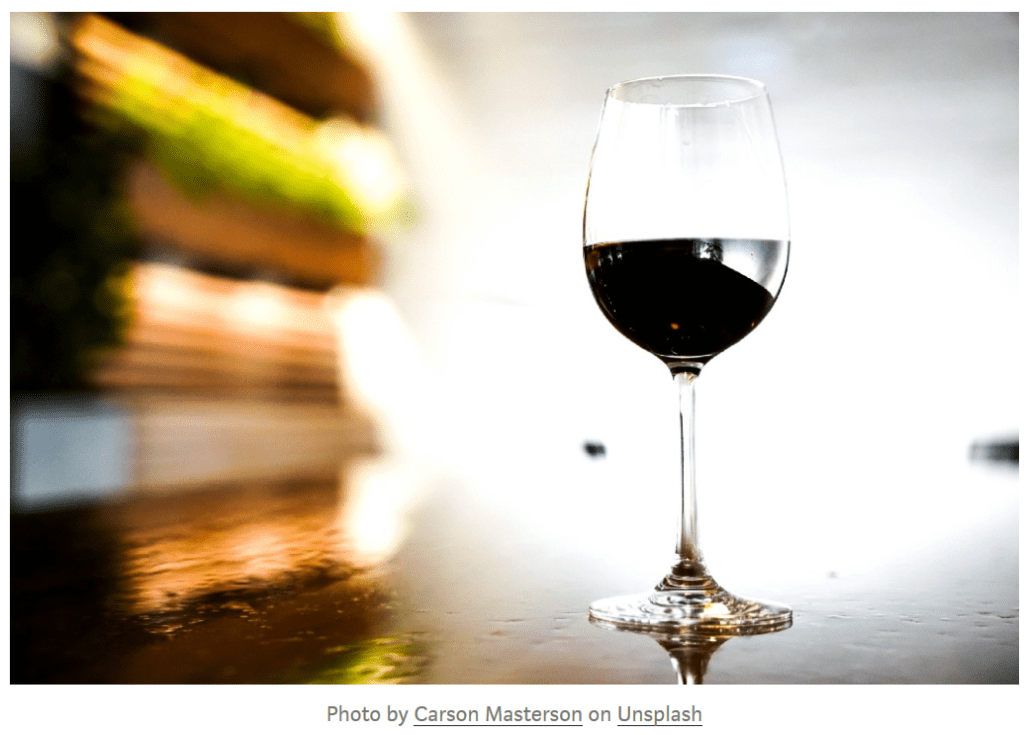
The real truth around wine is that it was once a healthier drink than water. The process of creating alcohol killed impurities.
Like beer, wine was first made somewhere between 5000 and 7000 BC. Makes sense, the process is the same with water and yeast. The only difference is grapes instead of cereals.
As time has gone by, and since the mid 19th century. Wine as a social drink has increased in popularity.
Whether its European, New World, or Asian wine you enjoy. Red, White, Rose, or sparkling. There is a choice out there to suit you and your budget.
Top tip, with any wine, decant it into a jug. The let it sit in the room for 30 minutes before you drink it. This quick trick transforms any wine.
If you live in the right climate, you could even experiment with growing some grapes and making your own?
Wine, a healthier alternative to water in days gone by. Who Knew?
First produced somewhere between 5000 and 7000 BC. We have been enjoying it ever since.
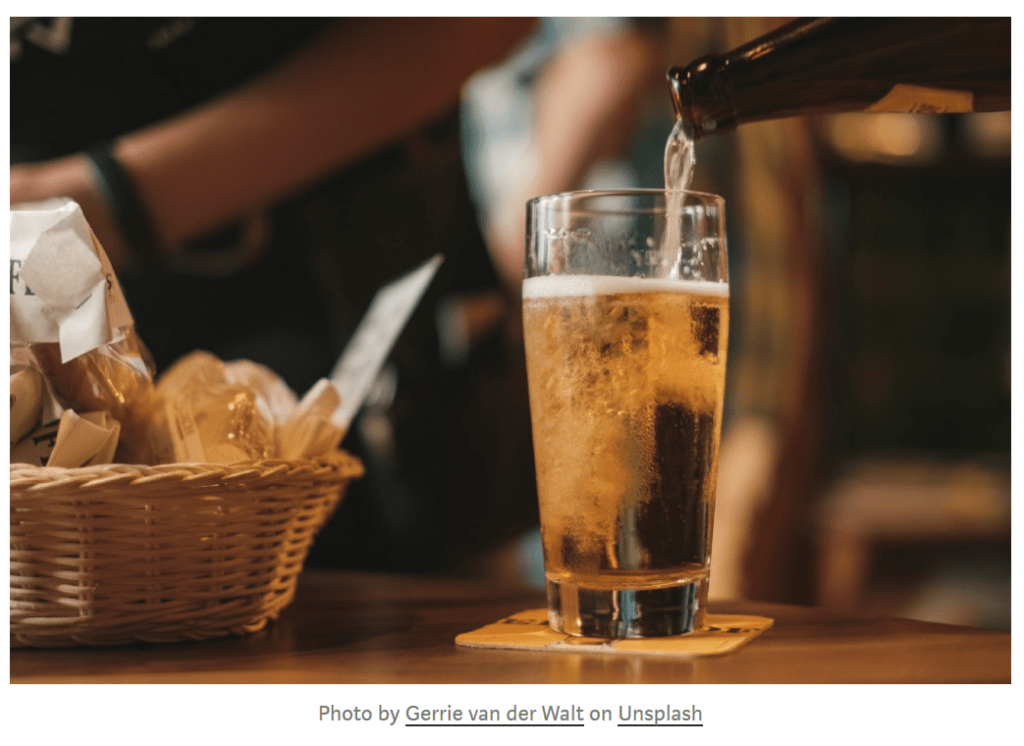
That cold, brown, foamy nectar has, along with bread. Been said to be responsible for humanity’s ability to build a civilization and develop technology.
Quite amazing for some cereal, water, and yeast eh?
Up until the 19th century, beer was something made in small community processes. All those famous European beers?
They all started in a neighborhood or someone’s house.
In the 19th century as science improved. Repeatable batches of that all-important yeast were possible. That meant brewing beer on an industrial scale.
That meant big brands and actually through a lot of the 19th and 20th centuries. Not too much choice.
The craft beer revolution has changed that again today of course and we have more choice than ever.
The humble pint. Not only responsible for bad ideas and hangovers. Seems like it’s pretty much responsible for civilization as well!
Today’s choice of non-alcoholic craft beers means that even if you don’t like or don’t agree with alcohol. Nothing is stopping you from enjoying a cold one.
Want to get ready for the future, prepare for the big shift online
2020 has been a strange year. But one of the big things in business. Is the speed of change and innovation. We have moved forward for about 20 years in 6 months. Especially when it comes to remote working.
Yes I know, skype calls and webinars are nothing new. We have communicated that way for a few years now. Here is the thing though. The game has moved on.
Going forward we are going to have to learn to close business online.
Business will still be done face to face. It has to be. But that’s going to be on video conference.
The truth is that the business world has figured it out fast. We don’t need to spend money on having office and meeting space. Office staff can work from home and meetings can be held online.
The savings in property and utilities costs are huge.
So going forward, few of the business transactions we complete will face to face.
The successful going forward?
Well, as usual, the people who are quick to embrace the change. In this case that will be folks who can do the following:
Get to know the online systems, Skype, Teams, Zoom. You’re going to want to know those inside/out. Our job now as business professionals will be to make these systems work for us. Especially when you’re trying to close business, a nice background, and professional sound set up all help.
Presenting is going to be turned on its head. Your audience is going to be seeing your presentation on a smaller screen. That’s going to drive us away from wordy PowerPoint presentations. I would think more into corporate storytelling will come into play. The other thing that’s going to come back into fashion is the pre-read material. That’s where the detail is going to come from that feeds the Q&A. Not death by PowerPoint.
Get used to “Amazon-style” i.e 15 mins presenting with 45 mins of Q&A based on your pre-read. That will become the new normal.
The good thing is that in business change is nothing new. In fact, change is the only constant we have.
The new innovation in business is here, let’s get up to speed and embrace the change.
Opportunities are everywhere, as entrepreneurs we just have to look.
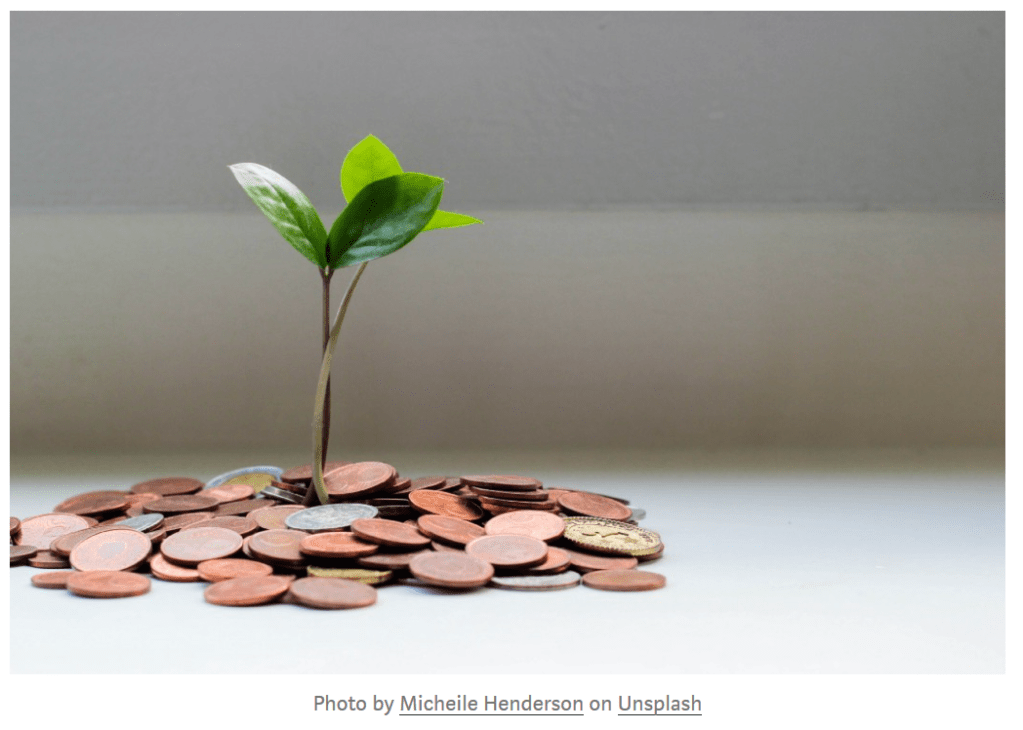
Ever heard someone say money doesn’t grow on trees?
Turns out they are wrong.
If you look for an opportunity you find them everywhere. Even in the garden.
As entrepreneurs, we rarely have all our eggs in one basket. Diversified income streams are what make us successful. We have to be open to opportunities all the time.
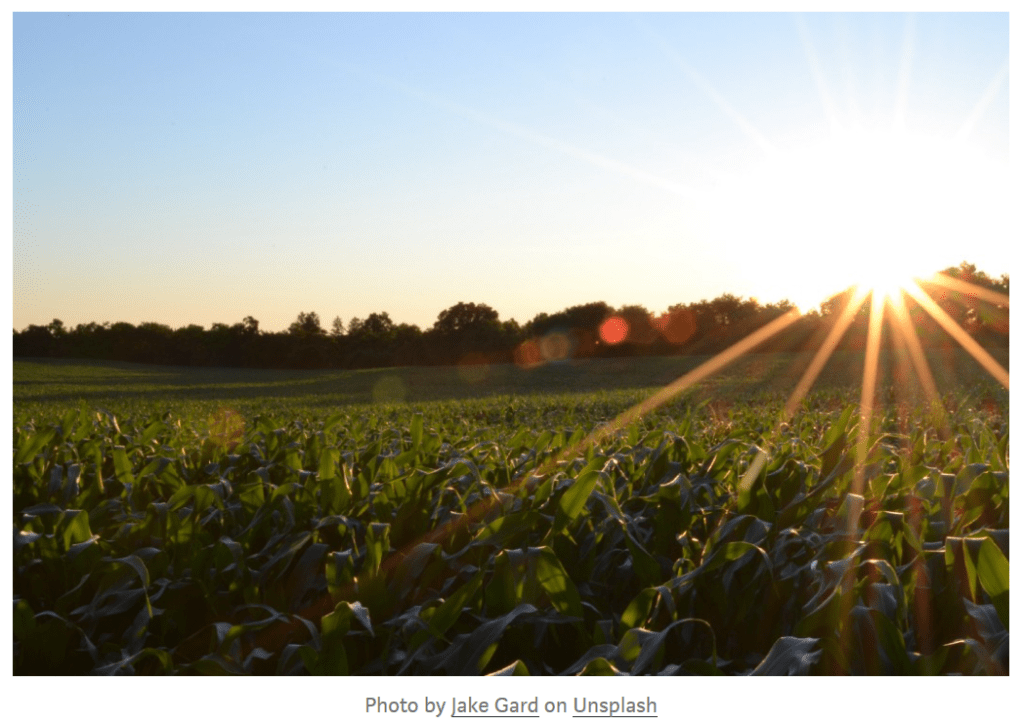
This year, looking for ways to pass the time. The garden went from somewhere to BBQ and sunbathe, to an acre of fruits and vegetables.
To start with, this was just a new hobby to pass all the time being spent at home.
3 months on and about 6 weeks into harvesting the food we have grown. Well, it’s another income stream.
While it’s not the kind of income stream that’s going to make us rich. It is worth a few hundred bucks. That’s after we have eaten all that we can first.
It’s also the type of business opportunity that I like. Low investment and low running costs. Sure there is time to be accounted for, but right now what else are we going to be doing?
Now we did have some help, we already had 5 cherry trees, 3 apricot trees, an apple tree, and some neglected grapevines. So it’s not like we have started from scratch.
But we did have to get them all back into a condition where they would grow viable food.
That had an upfront cost in chemicals and feeds. Then we had seeds for the various other things we are growing, basic tools, and good compost.
That upfront investment (Not sure I would call it a capital investment) was around $80.
Monthly operating expenses for feeding and weeding the land is around $3 and water around $5.
The rest of the expenses are our time. Which as I said, since we started this as a hobby and have very little else to do while locked down. Suits us just fine.
That time commitment is around 90 minutes per day during the week and 2 or 3 hours per day at the weekend. Not huge.
At the other end of the process, we have costs and time to process what we have grown.
The time spent in the garden each day includes harvesting whatever is ready. The rest of the time, around an hour per day, is processing that food and/or making something else with it.
The veg is easy, it needs to be cleaned and stored correctly. Its the fruit that takes time, especially if you need to prepare it to make a jam or juice.
At the end of all this, I have more produce than I can consume. Some of it is traded or passed around friends and family. But the rest well its sold.
Money is growing on our trees and in the ground around the property.
At the moment we have cherries, apricots, zucchini, eggplant, potatoes, apples, peppers, tomatoes, and pumpkins.
Each of those has enough planted to produce 100–300 kgs of produce.
We will be lucky to get through 200kgs of it ourselves.
This then is where the opportunity lies. People go crazy about organic produce. I can advertise on social media, and have people pre-order and stop by.
At around $1 for a kilo of produce, we are set to make over $1000 in profit off of our hobby this year.
Not a huge amount, but not bad at all for a hobby we didn’t even think about monetizing, to begin with. It’s another source of income that mixes with the others. They all build up to make a difference.
Next year with a little brand established and some more work, that can double or triple. We can also sell products such as juices, jams, etc which will add to the available income from the crop.
Again all this comes at very little investment in time, effort, or money.
As entrepreneurs, if we keep our minds open and receptive to new opportunities. We often find them in the unlikeliest of places.
Next time someone tells you that money doesn’t grow on trees. You have the answer to prove them wrong!
One of the best things about growing your own food. Is making different things with it.
In the case of our grapes, there are quite a few ways we can go with them.
Grape jelly which is another preserve we will have a go at making. We got on pretty good making cherry and apricot jams. This is the next step in learning to make preserves I guess.
Grape juice, as simple as it sounds. Don’t underestimate how good fresh fruit juice, from freshly picked fruit can be!
Wine, the best part. In reality, all we need for this is the grapes, some good water, and yeast.
We have some experience brewing our own beer. So although wine looks to be a little more involved, it’s possible.
The great thing here is that like much else that we have made with our produce. It needs no special tools or skills. All that’s needed is some enthusiasm, a love of learning, and some optimism.
In about 6 weeks, I should have some results to share with you.
While that is all going on, we have peppers, tomatoes, and potatoes to look forward to. By September we will have some pumpkins as well.
As I said before one of the advantages of being locked in the house, is learning something new. We would never have used the garden to its potential before.



 Writing for thought - expanding creativity through the joy of writing